
Fuel Delivery on the Go: Never Worry About Running Out of Gas Again

Running out of fuel in the middle of your commute or during a long road trip is more than just an inconvenience—it can be a serious safety hazard. Modern life demands mobility, and unexpected fuel shortages can disrupt schedules, increase stress, and sometimes leave drivers stranded in unsafe areas. While traditional gas stations have been the go-to solution for refueling, they aren’t always accessible when you need them most. Traffic congestion, long queues, or remote locations can turn a simple pit stop into a significant delay. This is where fuel delivery services have emerged as a revolutionary solution, ensuring drivers can maintain their mobility without unnecessary interruptions.
Fuel delivery on the go provides a seamless, reliable alternative to conventional refueling. These services allow trained professionals to bring fuel directly to your vehicle, whether you are at home, at work, or stranded on the side of the road. Beyond convenience, fuel delivery services enhance safety, prevent unnecessary vehicle wear, and offer peace of mind during long trips. In an industry where time and reliability are paramount, understanding the mechanics, benefits, and best practices of fuel delivery ensures drivers never face the stress of an empty tank again.
1. Understanding On-Demand Fuel Delivery
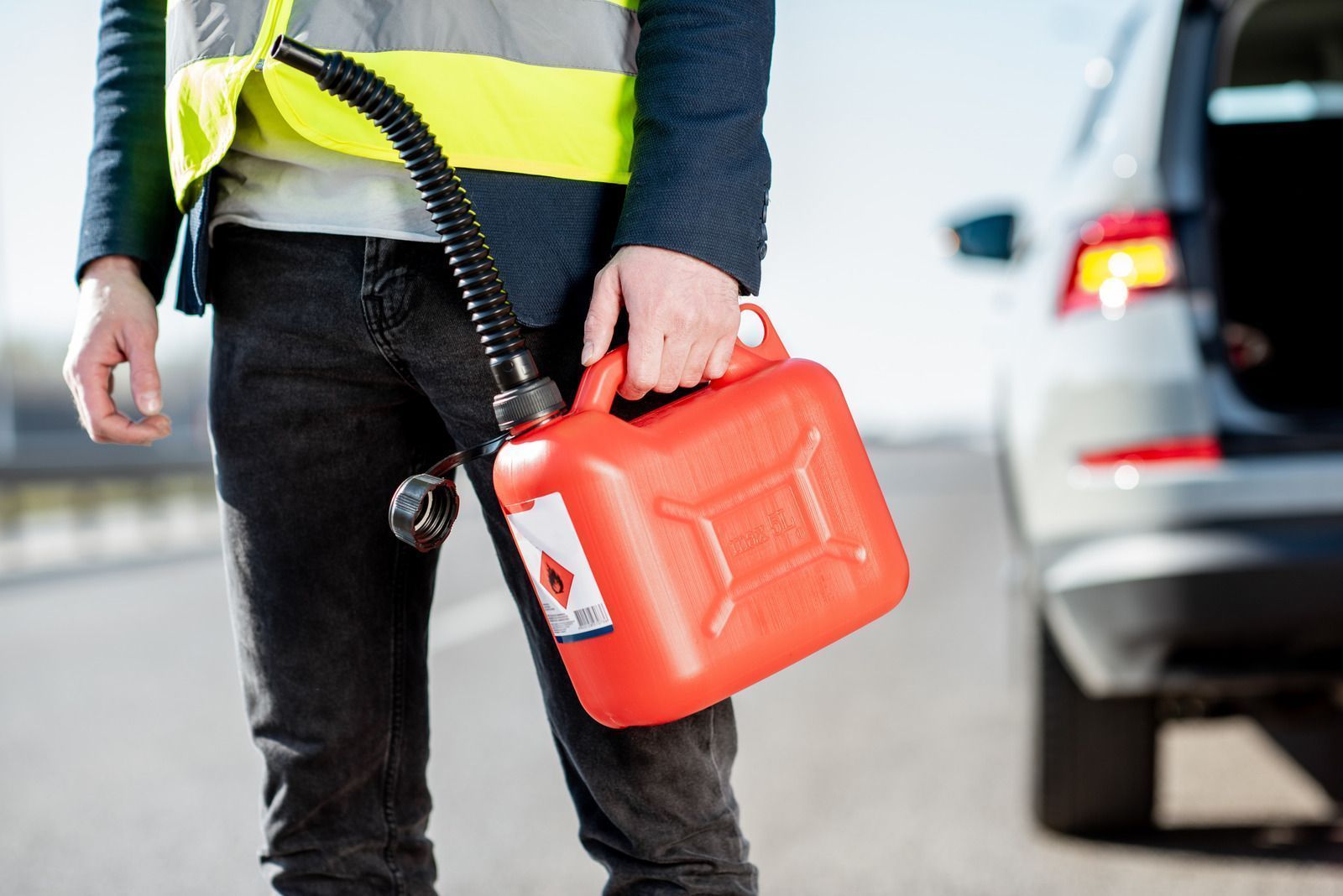
- What Fuel Delivery Services Are:- Fuel delivery services involve professional operators bringing gasoline or diesel directly to a vehicle’s location. Unlike traditional fueling at a gas station, these services are mobile, equipped with certified fuel containers or tanker trucks designed to safely dispense fuel on-site. The process is straightforward: a driver requests fuel through a mobile app or a hotline, specifies the fuel type and quantity, and a trained professional delivers it promptly.
- How It Works:- Fuel delivery relies on advanced logistics and tracking systems. Service providers maintain a fleet of vehicles stocked with different fuel types. When a request is received, GPS technology identifies the nearest available truck, ensuring timely service. Operators follow strict safety guidelines, including grounding procedures and spill prevention, to mitigate risk during transport and dispensing.
Real-World Scenario: Imagine being late for an important meeting and realizing your fuel gauge is dangerously low. Instead of searching for the nearest station and risking further delays, a fuel delivery service brings the necessary gas directly to your car, saving both time and stress. Similarly, logistics companies use these services to prevent delivery trucks from idling due to fuel shortages, optimizing routes and efficiency.
2. The Benefits of Mobile Fuel Delivery
Convenience and Time-Saving
One of the most significant advantages is convenience. Drivers no longer need to plan trips around fuel stops or risk running low in unfamiliar areas. Fuel delivery allows scheduling in advance or requesting emergency refills on short notice. For busy professionals or fleet operators, this flexibility translates into measurable time savings and smoother operations.
Safety and Reduced Risk
Running out of fuel can force drivers to pull over in hazardous conditions, such as dark roads, high-traffic areas, or unsafe neighborhoods. Fuel delivery eliminates these risks by bringing fuel to safe, controlled locations. Additionally, operators follow standardized safety protocols, ensuring fuel handling does not pose a danger to the driver or environment.
Environmental Impact
Mobile fuel delivery can reduce unnecessary driving to and from gas stations, lowering overall carbon emissions. Many providers employ modern, fuel-efficient delivery vehicles, further minimizing their environmental footprint. For businesses managing multiple vehicles, centralized refueling can optimize routes and fuel usage, supporting sustainability initiatives.
3. Common Challenges and How They’re Addressed
- Access and Availability:- One challenge is ensuring the service is available in your area. Leading providers solve this by deploying strategically located fleets and leveraging real-time data to anticipate high-demand zones. Urban areas often benefit from dense service coverage, while rural regions may experience scheduled deliveries.
- Safety Concerns:- Handling flammable fuel naturally raises safety concerns. Professional fuel delivery companies mitigate these through comprehensive training, certification, and adherence to local regulations. Grounding procedures, spill kits, and secure fuel storage protocols are standard practices that prevent accidents and maintain compliance.
- Cost Considerations:- While on-demand fuel delivery may be slightly more expensive than traditional gas stations, the benefits often outweigh the extra cost. Time saved, reduced stress, and avoidance of costly vehicle repairs due to running out of fuel make it a worthwhile investment for both individual drivers and businesses. Some companies also offer subscription models or bulk pricing for fleets, providing predictable costs and added value.
4. Best Practices for Using Fuel Delivery Services
Plan Ahead
Although fuel delivery can respond to emergencies, planning ahead ensures maximum efficiency. Schedule refuels during downtime or integrate them into fleet management software for seamless operations. Knowing your vehicle’s fuel type and tank capacity helps operators deliver the correct quantity promptly.
Use Reputable Providers
Choosing a certified and experienced provider is critical. Reputable companies adhere to safety standards, maintain insured operations, and employ trained professionals. Customer reviews, certifications, and licensing information are valuable indicators when selecting a provider.
Combine With Vehicle Maintenance
Fuel delivery should be part of a broader vehicle care strategy. Regularly checking tire pressure, oil levels, and overall engine health ensures your vehicle operates reliably alongside convenient fueling. Some services even offer combined solutions, such as fuel delivery paired with on-site minor maintenance or inspection.
Emergency Preparedness
Keep the contact information of a trusted fuel delivery service accessible. Mobile apps, hotlines, or even integration with roadside assistance programs can provide immediate help if you unexpectedly run low. This proactive approach prevents panic and ensures a quick, safe solution.
5. Fuel Delivery for Fleet Management
- Optimizing Operations:- Fleet operators benefit significantly from mobile fuel delivery. Trucks, vans, and service vehicles can be refueled on-site, minimizing downtime and maximizing route efficiency. Real-time tracking of fuel usage helps businesses manage costs and prevent unauthorized usage or fuel theft.
- Case Study: Logistics Company:- A regional delivery company implemented an on-demand fuel delivery service across its fleet. By eliminating the need for drivers to visit gas stations during shifts, the company reduced idle time by 15% and improved on-time deliveries. The service also allowed predictive refueling based on route data, preventing last-minute shortages and improving operational reliability.
- Cost Efficiency for Fleets:- Bulk fuel orders and subscription-based delivery plans provide financial benefits. Instead of multiple trips to gas stations, fleets can refuel vehicles in groups at scheduled times, reducing labor costs and fuel waste. Centralized invoicing and reporting further simplify fleet management.
6. Future Trends in Fuel Delivery
Integration with Technology
The next phase of fuel delivery is heavily tech-driven. Mobile apps now allow live tracking of delivery trucks, automated scheduling based on GPS and predictive analytics, and even integration with vehicle telematics for precise fuel monitoring. Artificial intelligence is increasingly used to optimize delivery routes, reducing wait times and operational costs.
Expanding Beyond Traditional Fuel
Electric vehicle (EV) charging is a growing complement to traditional fuel delivery. Mobile EV charging units are being developed to deliver electricity to vehicles stranded or in need of a boost, reflecting the industry’s adaptability to evolving transportation technologies.
Sustainable and Green Solutions
Environmentally conscious drivers are driving demand for biofuels, low-emission delivery vehicles, and eco-friendly dispensing methods. Providers are investing in cleaner fleet technologies and renewable fuel options, ensuring mobile fueling services evolve in harmony with sustainability goals.
7. Making the Most of Fuel Delivery Services
- Educate Yourself About Offerings:- Understand the range of services available, including emergency refueling, scheduled deliveries, and fleet solutions. Knowing which option fits your needs maximizes convenience and cost-effectiveness.
- Combine Convenience With Safety:- Ensure the fuel delivery provider has robust safety measures. Review their training programs, certifications, and accident response protocols. Safe handling protects both your vehicle and yourself during refueling.
- Evaluate Costs and Benefits:- While slightly higher than conventional gas stations, consider the value added in time saved, convenience, and peace of mind. For businesses, the reduction in downtime and logistical disruptions often results in tangible financial benefits.
- Leverage Customer Support:- Reliable providers offer responsive support for emergencies, changes to delivery schedules, or billing inquiries. Effective customer service ensures a seamless experience and reinforces trust in the service.
Ensure Continuous Travel with Trusted Fuel Services
Mobile fuel delivery has transformed the way drivers approach vehicle refueling. No longer confined to gas station hours or locations, drivers can now enjoy the convenience, safety, and efficiency of having fuel delivered directly to their location. This service reduces the risks associated with running out of gas, optimizes travel time, and offers practical solutions for both personal vehicles and fleet operations. By integrating technology, adhering to strict safety protocols, and offering flexible delivery options, fuel delivery services meet the demands of modern transportation and busy lifestyles.
Choice Towing, based in Seattle, Washington, with over 10
years of experience, exemplifies the standards of professionalism and reliability in mobile fuel delivery. Their team is committed to providing prompt, safe, and efficient service for both individual drivers and fleet operators. With a focus on customer satisfaction and operational excellence, we ensure that clients never face the stress of running out of fuel. Whether for emergency situations or scheduled refueling, their expertise guarantees peace of mind and uninterrupted mobility. Trust us to keep your journey moving safely and efficiently.