Jump Start Services: What to Do When Your Car Battery Dies Unexpectedly

A dead car battery can strike at the most inconvenient moments, leaving drivers stranded in parking lots, on busy streets, or even on remote roads. While modern vehicles are built for reliability, the reality is that batteries age, electrical systems fail, or unforeseen conditions like extreme temperatures can suddenly render a vehicle inoperable. Even a well-maintained car is not immune to sudden battery failure, and the consequences can range from minor delays to potentially hazardous situations if stranded in an unsafe location. Understanding how to respond when your car battery dies unexpectedly is critical for minimizing stress, preventing further damage, and ensuring your safety. Knowing what tools to carry, how to identify warning signs, and when to seek professional help can make a significant difference in how quickly and safely you get back on the road.
Being prepared with the right knowledge and resources can save time and money, while also reducing anxiety during emergencies. From recognizing early signs of a failing battery to safely jump-starting a vehicle or seeking professional assistance, knowing your options empowers you to handle emergencies efficiently. Moreover, a strategic approach helps prevent accidental harm to your vehicle’s electrical system or personal injury. Learning about preventive maintenance, proper jump-start techniques, and alternative solutions for unexpected battery failure ensures that you are never caught off guard. In this blog, we will explore the essential steps to take when your battery fails, outline practical safety measures, discuss scenarios you may encounter, and provide actionable advice to avoid future disruptions. Whether you’re a seasoned driver or a first-time car owner, these insights can help you navigate battery-related emergencies with confidence, efficiency, and peace of mind.
1. Recognizing a Dead Battery: Early Signs and Diagnosis
Common Symptoms of Battery Failure:- FIdentifying a failing battery before it completely dies can prevent an inconvenient roadside situation. Some of the most common warning signs include:
- Dim headlights or interior lights – When lights appear weaker than usual, the battery may be struggling to provide sufficient power.
- Slow engine crank – A noticeable delay when turning the key or pressing the start button indicates insufficient battery charge.
- Electrical malfunctions – Power windows, dashboard lights, or infotainment systems operating irregularly often point to battery issues.
Diagnostic Tools and Techniques:- Modern vehicles may include built-in battery monitoring systems that alert drivers of low voltage. Alternatively, a multimeter can be used to measure the battery voltage:
- A fully charged car battery should read around 12.6 volts when the engine is off.
- Readings below 12 volts suggest the battery is weak and at risk of failing.
Regular inspections, especially before long trips or during winter, can help prevent a sudden dead battery. Recognizing these signs early enables drivers to take corrective action before an emergency arises.
2. Safety First: Precautions Before Jump-Starting a Car
Essential Safety Measures
Jump-starting a vehicle can be straightforward, but it involves working with electricity, which carries inherent risks. Observing safety protocols is crucial:
- Wear protective gear – Safety glasses and gloves help protect against sparks or acid splashes from a damaged battery.
- Avoid open flames – Car batteries emit hydrogen gas, which is highly flammable. Smoking or nearby sparks can trigger an explosion.
- Check battery condition – Look for corrosion, leaks, or physical damage. Severely damaged batteries should not be jump-started.
Preparing the Vehicle
Before connecting jumper cables, ensure:
- Both vehicles are turned off.
- Parking brakes are engaged.
- Vehicles are positioned safely, ideally facing each other without touching.
By adhering to these precautions, drivers can reduce the risk of accidents and protect both themselves and their vehicles during the jump-start process.
3. Step-by-Step Guide to Jump-Starting Your Vehicle
- Required Tools and Equipment:
To perform a jump start, you will need:
- Jumper cables with sufficient gauge (preferably 4-gauge or thicker).
- A second vehicle with a fully charged battery, or a portable jump starter.
- Correct Jump-Starting Procedure:-
Follow these steps carefully:
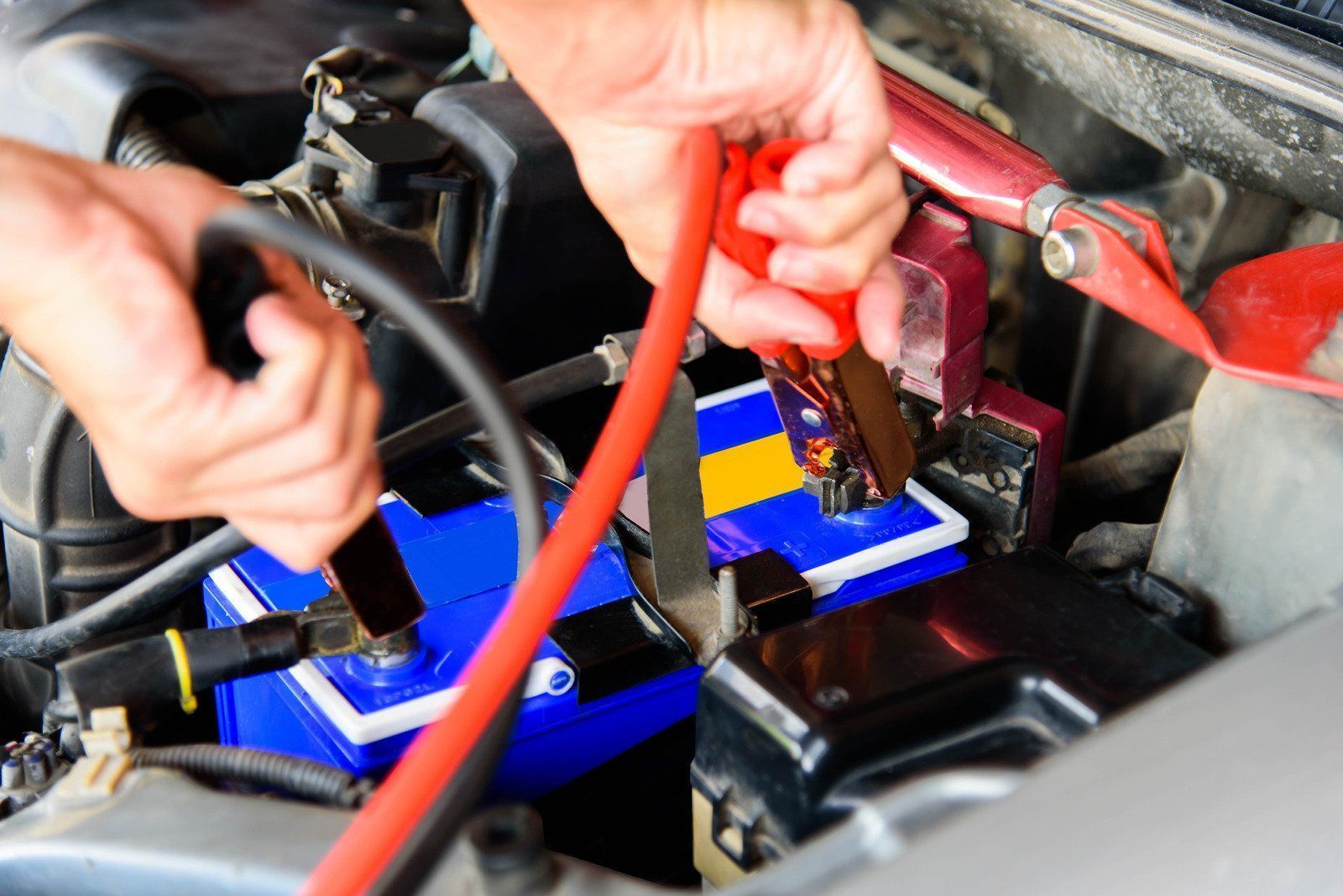
- Connect the positive terminals first – Attach the red cable clamp to the positive (+) terminal of the dead battery, then the other end to the positive terminal of the donor battery.
- Connect the negative terminal to a ground point – Attach the black cable clamp to the negative (-) terminal of the donor battery and the other end to an unpainted metal surface on the dead car’s engine block.
- Start the donor vehicle – Allow it to run for a few minutes to charge the dead battery.
- Attempt to start the dead vehicle – If it does not start immediately, wait a few more minutes. Avoid repeated cranking, which may strain the battery or starter motor.
- Disconnect cables carefully – Remove the black cable first, followed by the red cable, and ensure they do not touch each other or the battery terminals.
- Common Mistakes to Avoid:-
- Connecting negative clamps directly to the dead battery’s terminal can cause sparks.
- Jump-starting a severely damaged or frozen battery may lead to rupture.
- Using cables that are too thin can overheat and fail.
Following these guidelines ensures a safe and effective jump-start, restoring vehicle functionality without causing damage.
4. Alternative Solutions When Jump-Starting Fails
Portable Jump Starters
Portable jump starters are compact devices designed to jump-start a vehicle without relying on a second car. Benefits include:
- Ease of use – Simply attach clamps to the battery and turn on the device.
- Portability – Ideal for long trips or remote areas where roadside assistance is unavailable.
- Additional features – Some models include USB ports for charging devices and built-in flashlights for nighttime emergencies.
Calling Professional Assistance
Sometimes, even with precautions and tools, a battery may not respond. In such cases, calling a reliable roadside assistance service is the safest option. Professional technicians can:
- Diagnose battery or alternator issues accurately.
- Provide on-the-spot jump starts or battery replacements.
- Offer guidance on preventing future failures.
Temporary Measures
If stranded in a remote location without tools, practical steps include:
- Signaling for help from nearby motorists or passing roadside services.
- Remaining safely inside the vehicle if conditions are unsafe.
- Conserving battery power by turning off unnecessary electronics while waiting for assistance.
5. Understanding the Causes of Sudden Battery Failure
Environmental Factors:-
Temperature extremes can significantly affect battery performance:
- Cold weather reduces battery capacity and slows chemical reactions.
- High heat accelerates battery fluid evaporation, shortening lifespan.
Mechanical and Electrical Issues:- Several vehicle components can contribute to sudden battery failure:
- Aging battery – Batteries typically last 3–5 years, and degradation may occur gradually.
- Faulty alternator – If the alternator cannot recharge the battery, the vehicle may stall even after a jump start.
- Parasitic drain – Electronics or lights left on can slowly discharge the battery overnight.
Human Factors:-
Driver habits also play a role in battery life:
- Frequent short trips prevent full recharging.
- Inconsistent maintenance, such as not cleaning terminals, leads to corrosion.
- Neglecting warning signs increases the risk of unexpected failure.
Understanding these causes allows vehicle owners to adopt preventive measures and avoid inconvenient breakdowns.
6. Preventive Measures for Battery Health
Routine Maintenance Tips
Maintaining battery health reduces the likelihood of unexpected failure:
- Inspect terminals and cables – Clean corrosion and ensure secure connections.
- Check voltage regularly – A multimeter can provide insight into battery health.
- Replace batteries proactively – Avoid waiting for complete failure; follow manufacturer recommendations.
Seasonal Considerations
- Winter – Keep a portable jump starter in the vehicle and park in sheltered areas if possible.
- Summer – Regularly check fluid levels in batteries with removable caps and monitor for swelling or leaks.
Smart Driving Practices
- Avoid leaving electronics on while the engine is off.
- Combine short trips into longer drives to allow full battery recharge.
- Schedule periodic inspections with a trusted automotive professional.
These practices extend battery life, prevent emergency situations, and save money on replacement costs.
Experienced Team Providing Safe and Reliable Solutions
A sudden dead car battery can disrupt daily routines, cause delays, and create stressful situations for drivers. Recognizing early warning signs, understanding safety precautions, knowing the proper jump-start procedure, and considering alternative solutions are essential steps for handling battery-related emergencies effectively. By also understanding the underlying causes of battery failure and adopting preventive measures, vehicle owners can minimize risks and ensure their vehicles remain dependable. Taking proactive steps, such as regular battery inspections, monitoring voltage, and being prepared with emergency tools, can significantly reduce the likelihood of unexpected breakdowns. Ultimately, informed drivers are better equipped to stay safe, avoid costly repairs, and maintain peace of mind while on the road.
Choice Towing
in Seattle, Washington, has spent the last 10
years delivering professional, reliable roadside assistance, specializing in jump-start services. Our team is trained to respond promptly to battery emergencies, providing safe and effective jump-start solutions for all vehicle types. We prioritize customer safety, ensuring that each service is performed with precision and care. Beyond
jump starts, we offer comprehensive roadside support to help drivers overcome unexpected challenges efficiently. With Choice Towing, you gain the confidence of working with a trusted, experienced company dedicated to keeping your vehicle operational and your journey uninterrupted. Whether you are stranded downtown or in remote areas, our 10 years of expertise ensure fast, professional, and dependable service you can rely on in any emergency. We also provide guidance on battery maintenance and tips to extend the lifespan of your vehicle’s electrical system, ensuring long-term reliability and uninterrupted travel.